Quick Handwritten: A Designer's Key to Authentic Visual Storytelling
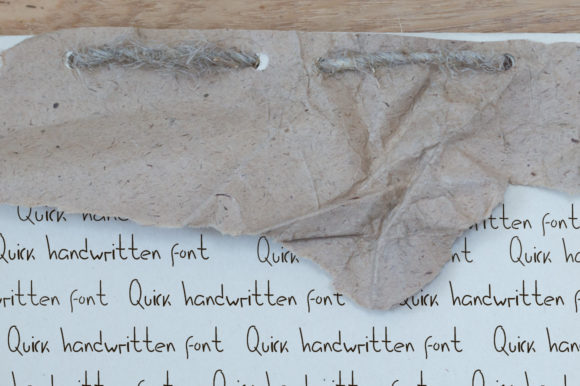
In a digital landscape saturated with clean, geometric sans-serifs, the human touch has become a powerful differentiator. Quick Handwritten, a simple and minimalistic handwritten font, offers just that—a touch of authenticity that can transform a design from generic to genuinely personal. Its clean lines and natural flow make it a versatile asset for any designer looking to inject warmth and character into their work.
Why Handwritten Typography Matters in Modern Design
Effective visual communication relies on creating an immediate emotional connection. Handwritten typefaces like Quick Handwritten excel here, breaking the sterile barrier of corporate fonts. They signal approachability, creativity, and authenticity, which is crucial for strengthening brand identity. When used thoughtfully, this style of typography can guide the viewer's eye, establish a clear visual hierarchy, and make content more engaging and memorable.
Practical Applications Across Creative Projects
The true value of a font lies in its application. Quick Handwritten’s minimalistic design ensures it doesn’t overwhelm, making it suitable for a broad range of projects where a personalized style is paramount.
Branding and Logo Design
A logo is the cornerstone of brand identity. Incorporating Quick Handwritten for a wordmark or a subline can instantly communicate a brand's personality—be it artisanal, friendly, or innovative. It pairs exceptionally well with a strong, simple sans-serif for a balanced and professional presentation.
Marketing and Social Media Graphics
From thank you cards and wedding invitations to social media posts and digital advertising, handwritten fonts capture attention in a feed full of standard text. They are perfect for quotes, call-to-action messages, and headers, adding a layer of visual interest that boosts user engagement and click-through rates.
Editorial and Web Design
In editorial layouts or on a website, use Quick Handwritten for pull quotes, subheadings, or annotations to create focal points. In UI design, it can be used sparingly for stylistic elements like a "Welcome" message or a personalized note, enhancing the user experience with a human-centric touch.
Packaging and Merchandise
Product packaging design thrives on shelf appeal. Quick Handwritten can make labels for artisanal goods, cosmetics, or food products feel handcrafted and premium. Similarly, it’s ideal for designing unique merchandise, greeting cards, and digital products like planners or e-books.
Tips for Effective Typography Selection
Choosing the right font is just the beginning. To integrate elements like Quick Handwritten successfully into your design workflow, consider these practical guidelines:
- Ensure Readability: While decorative, the font must remain legible at the intended size, especially for smaller text in UI design or body copy.
- Maintain Consistency: Use the handwritten font consistently across all brand touchpoints to build recognition. Define clear rules for its use within your brand style guide.
- Consider Scalability: Test how the font renders across different media—from a small social media icon to a large printed poster—to ensure it retains its quality.
- Respect the Audience: Align the font's casual tone with your target audience's expectations. It’s perfect for consumer brands but may need careful consideration in more formal, corporate contexts.
- Create Visual Harmony: Pair Quick Handwritten with complementary fonts. A classic serif or a neutral sans-serif often creates a sophisticated and balanced typographic palette.
Ultimately, the choice of typography is a fundamental design decision that impacts every aspect of a project's communication. By selecting high-quality, purpose-driven creative assets like Quick Handwritten, designers and creators can elevate their work, ensuring it not only looks beautiful but also resonates deeply with its intended audience. Thoughtful design choices are the bridge between a simple message and a compelling, professional visual story.