Handwritten Story: A Sweet & Cursive Font for Joyful Design
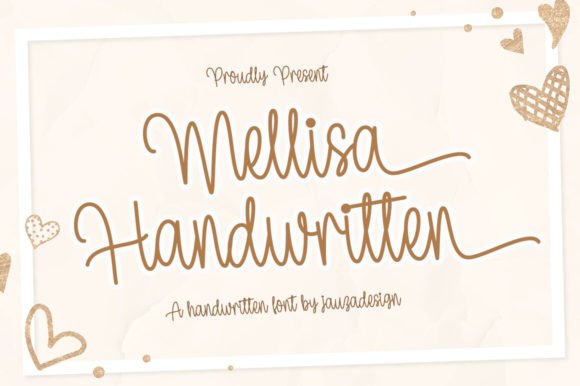
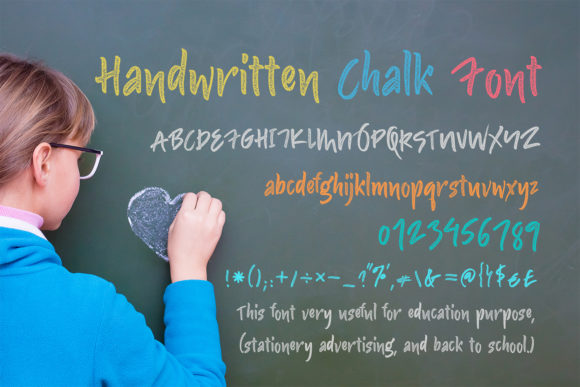
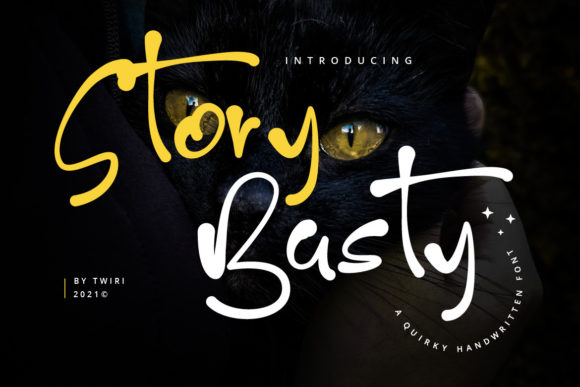
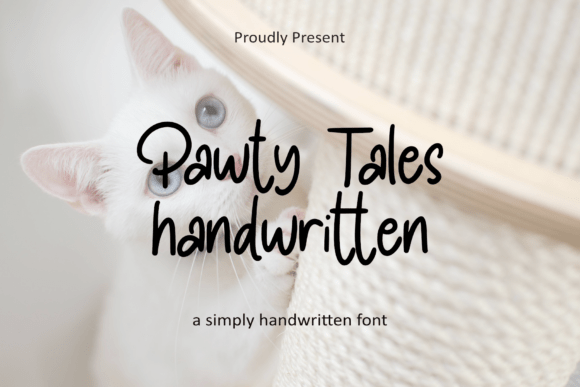
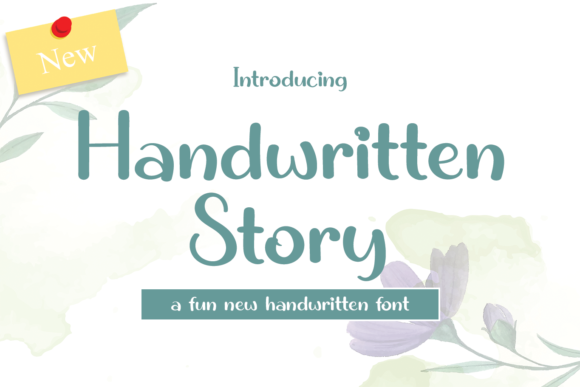
In a digital landscape saturated with sleek sans-serifs and rigid serifs, the organic warmth of a handwritten font can instantly make a design feel more personal and inviting. This is precisely the charm of Handwritten Story, a sweet and cursive typeface that infuses projects with a gentle, romantic character. Its flowing letterforms are crafted to add a layer of authenticity and emotional resonance, making it a versatile tool for designers seeking to break through visual noise and connect on a human level.
Why a Handwritten Font Matters in Modern Visual Design
Typography is a cornerstone of visual communication, directly influencing brand perception, user experience, and message clarity. While clean, geometric fonts excel in corporate contexts and UI design, a handwritten script like Handwritten Story serves a different, equally vital purpose. It introduces an element of craft and care, suggesting a story behind the brand. This can be particularly effective in industries like wedding planning, artisanal goods, boutique hospitality, or any creative project aiming to evoke joy, nostalgia, or intimacy. It helps build a distinct brand identity that feels approachable and bespoke.
Practical Applications for Handwritten Story
The true value of a design asset lies in its application. Handwritten Story’s gentle curves and legible cursive style make it adaptable across numerous contexts, enhancing both aesthetics and engagement.
- Branding & Logo Design: Use it for logotypes, monograms, or accent text in brand marks for businesses that want to convey warmth and personality, such as bakeries, cafes, or lifestyle blogs.
- Marketing & Social Media Graphics: It’s perfect for pull quotes, testimonials, sale announcements, or Instagram story overlays, where a personal touch can boost relatability and stop the scroll.
- Editorial & Packaging Design: Apply it to book titles, chapter headings, product labels, or thank-you notes to add a handcrafted, premium feel that elevates the unboxing experience.
- Web & UI Accents: Sparingly, it can highlight special offers, call-to-action buttons, or section headers on landing pages, guiding the user’s eye with a friendly tone without compromising overall readability.
- Print Collateral & Merchandise: From wedding invitations and greeting cards to t-shirt designs and tote bags, it lends a joyful, romantic flair to physical items.
Tips for Effective Implementation
Integrating a script font successfully requires thoughtful consideration to maintain professional presentation and visual hierarchy.
- Prioritize Readability: Avoid using Handwritten Story for long blocks of body text. Its strength is in headlines, short phrases, and accents where its character shines without taxing the reader.
- Mind the Context: Consider your audience and project goals. While ideal for creative and consumer-facing projects, it may not suit formal corporate reports or data-heavy interfaces.
- Create Contrast: Pair it with a clean, neutral sans-serif font for body copy. This contrast ensures legibility and creates a dynamic visual hierarchy.
- Check Scalability: Test the font at various sizes to ensure its details remain crisp and legible, whether on a large banner or a mobile screen.
- Harmonize with Color: A font with personality works best within a cohesive color palette. Soft pastels, muted tones, or classic black and white often complement its gentle nature.
Ultimately, selecting the right typeface is a strategic decision that impacts every facet of a creative project. A resource like Handwritten Story is more than just a decorative element; it’s a tool for storytelling. By choosing typography that aligns with your brand’s voice and audience expectations, you strengthen your overall design system, ensuring every visual touchpoint communicates effectively and beautifully. Thoughtful curation of your creative assets is what transforms good design into memorable, impactful communication.