Handwritten Dreams: Elevate Your Visual Communication
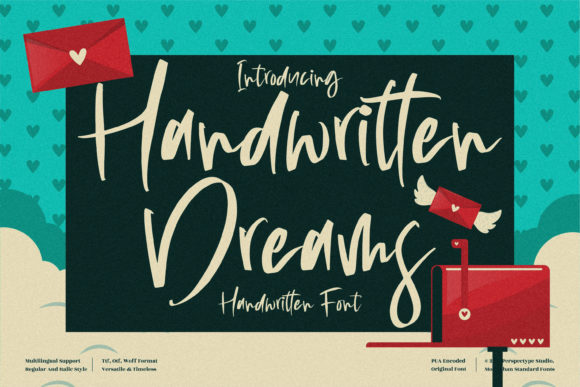
Imagine capturing the authentic, personal touch of a handwritten note within the polished framework of professional graphic design. That’s precisely the emotional resonance and creative flexibility offered by Handwritten Dreams. This beautiful and flowing script font is more than just a typeface; it’s a versatile design asset crafted to inject warmth, personality, and a relaxed, friendly vibe into any project. For designers, marketers, and creators seeking to break away from rigid, formal typography, it provides an immediate casual, informal touch that feels both approachable and contemporary.
The Role of Authentic Typography in Modern Branding
In an era where digital interfaces can often feel cold and impersonal, visual design trends are shifting toward human-centric aesthetics. Typography is a critical component of brand identity, and choosing a script like Handwritten Dreams can fundamentally alter how an audience perceives a brand. It signals accessibility and creativity, making it an excellent choice for industries ranging from lifestyle and wellness to artisanal goods and boutique services.
When evaluating creative assets for your design workflow, consider how the font’s fluidity impacts the visual hierarchy. A flowing script draws the eye, making it perfect for headlines or call-to-action statements where you want to evoke an emotional response. However, effective typography is about balance; pairing this expressive font with a clean, minimalist sans-serif ensures that your message remains legible while maintaining a modern aesthetic.
Practical Applications Across Creative Projects
The versatility of a high-quality script font allows it to shine across various mediums. Whether you are working on print design or digital marketing, integrating Handwritten Dreams can elevate the user experience (UX) and visual impact.
- Logo Design & Branding: Create memorable logos that feel bespoke and handcrafted. This font is ideal for boutique businesses looking to establish a unique identity.
- Social Media Graphics: In the fast-paced world of social media, stopping the scroll is essential. Use this font for quotes, announcements, and overlays to add a personal, relatable touch to your content strategy.
- Web Design & UI: While body text requires high readability, script fonts are powerful in specific UI elements, such as hero sections, pull quotes, or navigation accents, adding character to the digital landscape.
- Packaging & Editorial Design: From coffee shop menus to product labels and magazine headers, Handwritten Dreams adds an artisanal quality that suggests care and attention to detail.
Strategic Implementation for Professional Results
Simply having a beautiful font isn't enough; successful design implementation requires strategy. To ensure your creative projects achieve their intended goal, keep the following principles in mind:
- Readability is Key: While the font is flowing and beautiful, ensure it is legible at the intended size. Avoid using decorative scripts for long blocks of body text or critical data where clarity is paramount.
- Context and Audience: A casual, informal font may not suit every corporate environment. Analyze your target audience and the specific context of the communication to ensure the style aligns with their expectations.
- Visual Balance: Use Handwritten Dreams as a focal point. Pair it with neutral backgrounds or complementary colors to let the typography breathe. Overcrowding a design with too many competing elements can dilute the message.
- File Compatibility: Ensure the font files are optimized for your specific needs, whether for high-resolution print design or responsive web layouts.
Ultimately, the strength of your visual communication relies on the harmony between your chosen elements. By thoughtfully integrating quality assets like Handwritten Dreams into your toolkit, you bridge the gap between digital precision and human emotion. This approach not only enhances the aesthetic appeal of your work but also fosters a deeper connection with your audience, proving that in the world of design, the personal touch is often the most powerful one.