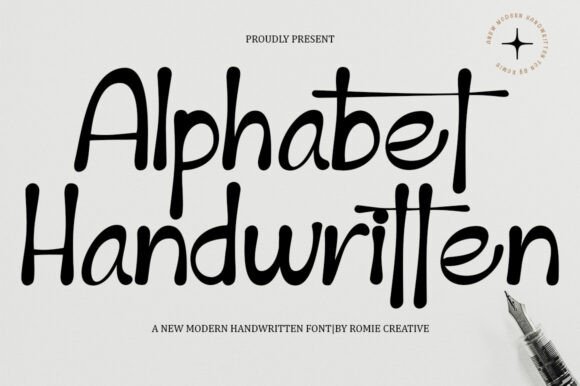
Alphabet Handwritten: The Modern Font for Creative Impact
In a digital landscape saturated with sterile, uniform typography, a touch of human warmth can make your design instantly more memorable and engaging. Alphabet Handwritten emerges as a compelling solution, offering the authentic charm of hand-lettering with the precision and versatility required for contemporary graphic design projects. This modern handwritten font bridges the gap between organic expression and professional application, making it a valuable asset for designers and creators aiming to inject personality into their visual communication.
Understanding the Role of a Modern Handwritten Font
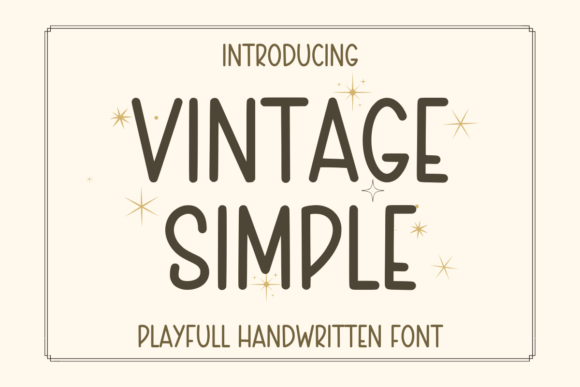
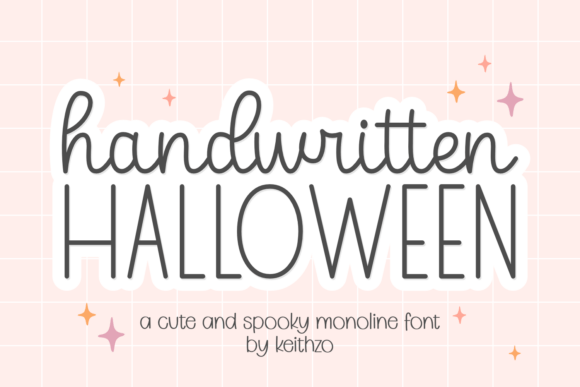
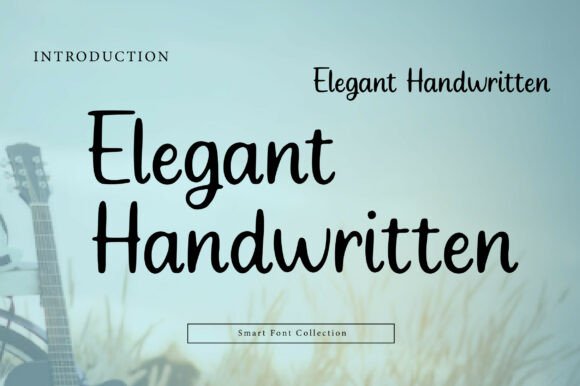
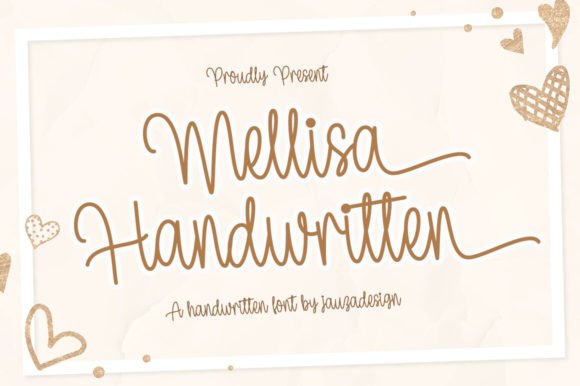
Typography is a cornerstone of visual hierarchy and brand identity. While sans-serifs and serifs convey stability and tradition, a carefully chosen script like Alphabet Handwritten introduces a layer of approachability and creativity. Its flowing letterforms and subtle imperfections mimic natural handwriting, which can evoke feelings of authenticity, nostalgia, and personal connection. This makes it particularly effective for projects where building an emotional rapport with the audience is paramount.
Practical Applications Across Creative Projects
The utility of Alphabet Handwritten extends far beyond mere decoration. Its design is intentionally versatile, supporting a wide range of applications in both digital and print design workflows.
- Branding and Logo Design: Use it to create distinctive wordmarks or complementary typography that conveys a boutique, artisanal, or creative brand personality. It pairs exceptionally well with clean sans-serifs for contrast.
- Marketing Materials: Elevate brochures, flyers, and posters with headlines that feel personal and inviting, increasing readability and emotional appeal.
- Social Media Graphics: Stand out in crowded feeds with quotes, announcements, and story templates that have a human touch, boosting engagement and shareability.
- Website and UI Design: Apply it strategically for call-to-action buttons, feature titles, or decorative elements to soften a user interface and guide user experience (UX) with a friendly aesthetic.
- Editorial and Packaging Design: Enhance book covers, magazine layouts, or product packaging with elegant script that suggests craftsmanship and attention to detail.
Integrating Typography into Your Design Workflow
Selecting the right typeface is a critical design decision. When evaluating a font like Alphabet Handwritten, consider its readability at various scales, its consistency across uppercase and lowercase characters, and its compatibility with your existing color palette and imagery. A successful design maintains a clear visual hierarchy; this font works best for display purposes—headings, logos, and accents—rather than extended body text.
For a polished result, always test the font in context. Check kerning, leading, and how it interacts with other design elements. Does it support the message? Does it align with the target audience's expectations? A wedding invitation demands a different style of script than a tech startup's marketing material, even if both use a handwritten aesthetic.
Elevating Your Creative Assets
Thoughtful typography is a powerful tool for differentiation and communication. By incorporating a high-quality asset like Alphabet Handwritten into your toolkit, you gain the ability to quickly create designs that feel custom, intentional, and visually compelling. It streamlines the design process while ensuring a professional presentation, whether you're developing a full brand identity, crafting social media content, or designing digital products. Ultimately, investing in versatile creative assets empowers you to translate ideas into impactful visual stories that resonate with your audience and achieve your design goals.